
If you’ve ever learned about SEO or digital marketing, you’ve probably heard the terms dofollow and nofollow links. At first, they may sound technical and confusing, but the idea behind them is actually simple.
Both types of links are important for a website’s online growth. They help search engines understand your website and can also bring traffic from other sites. But the way they work is different.
Let’s break it down in a simple and easy-to-understand way.
What Are Backlinks?
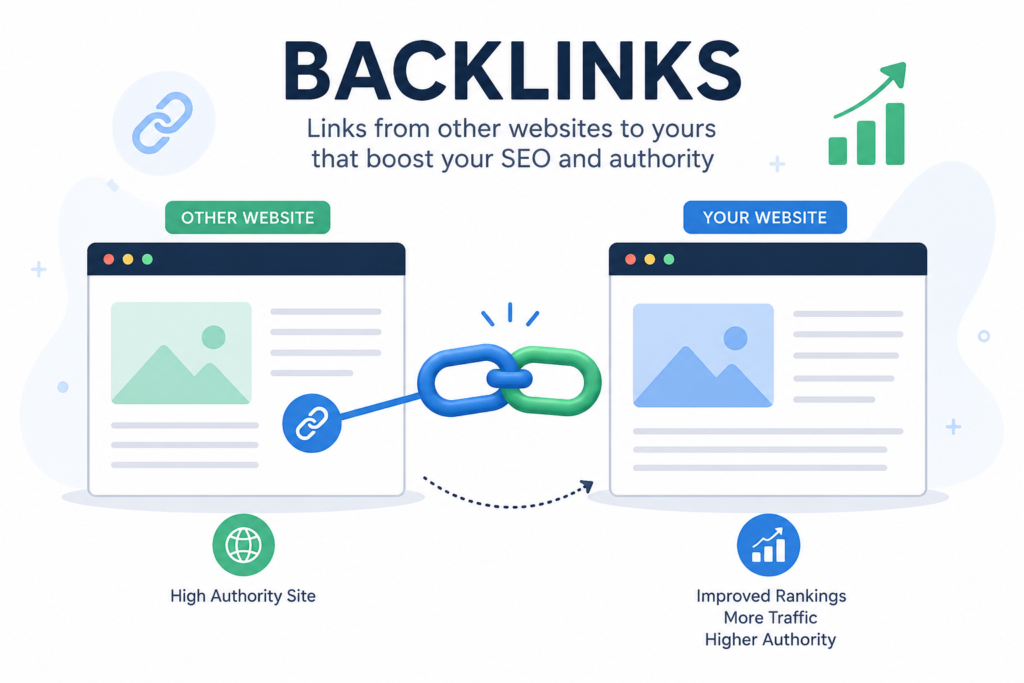
A backlink is simply a link from one website to another.
For example, if a blog mentions your website and adds a clickable link to it, that’s called a backlink.
Search engines like Google see backlinks as a sign of trust. When multiple websites link to your content, Google assumes your content is useful and valuable.
But not every backlink passes the same value. That’s where dofollow and nofollow links come in.
What is a Dofollow Link?
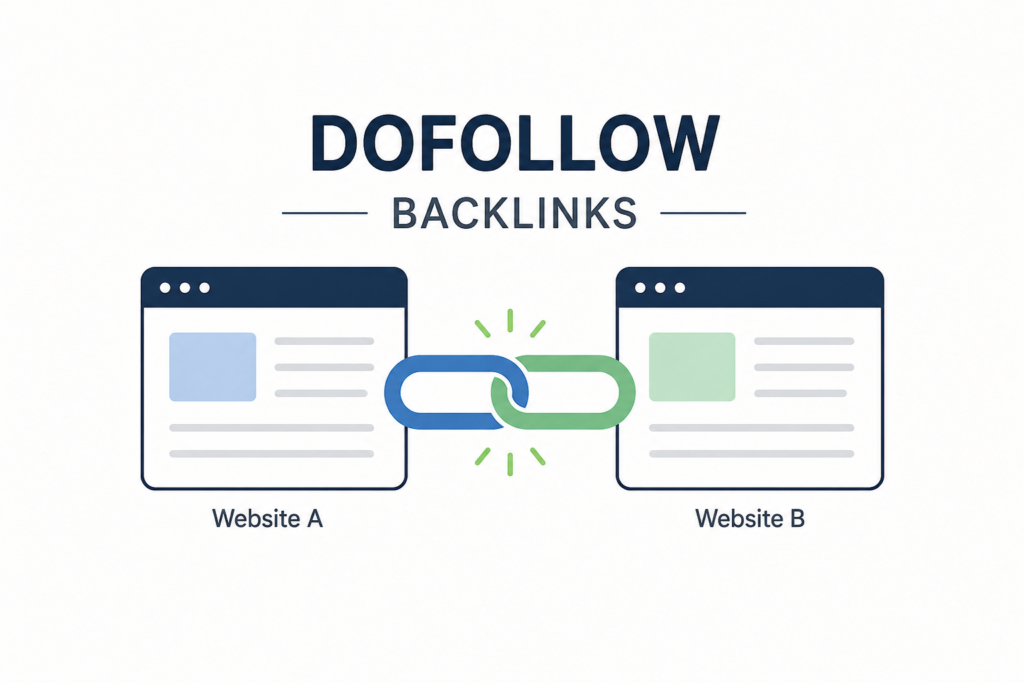
A dofollow link is a normal link that tells search engines:
“This website is trustworthy. You can follow this link and pass value to it.”
In simple words, dofollow links help improve your website’s SEO and rankings.
Most links on the internet are dofollow by default unless someone changes them to nofollow.
Why Dofollow Links Matter
Dofollow links can help:
- Improve Google rankings
- Increase website authority
- Boost organic traffic
- Build trust with search engines
The more quality dofollow backlinks you get from trusted websites, the better your chances of ranking higher in search results.
For example, if a popular blog links to your website with a dofollow link, Google sees that as a positive signal.
What is a Nofollow Link?
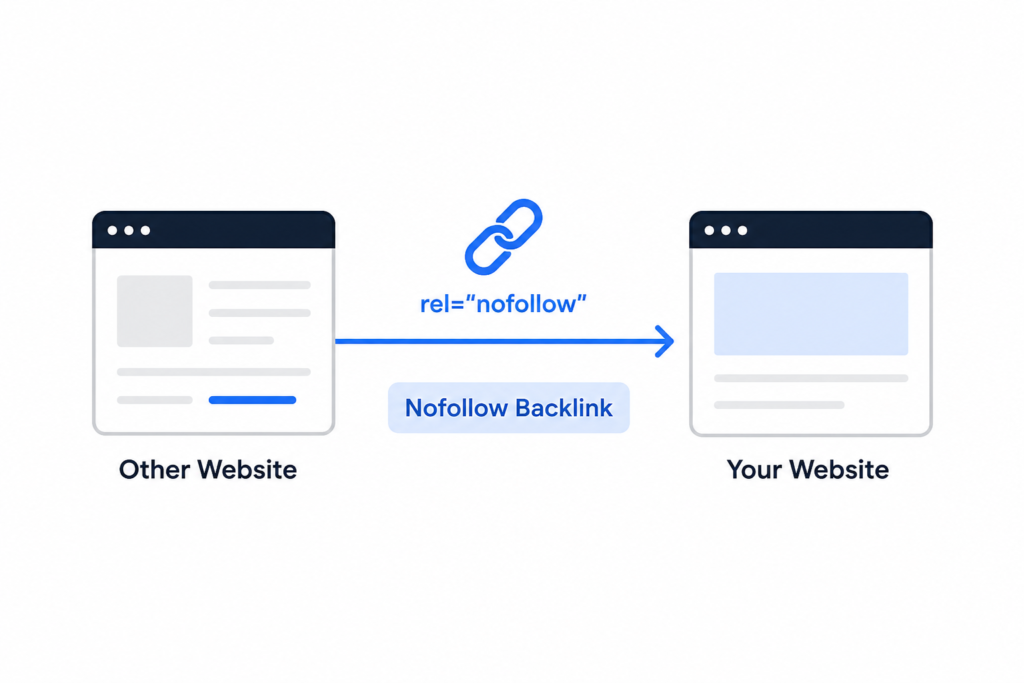
A nofollow link tells search engines:
“You can see this link, but don’t pass SEO value through it.”
These links contain a special tag called:
rel=”nofollow”
Nofollow links are commonly used for:
- Paid ads
- Sponsored content
- Blog comments
- Social media posts
- User-generated content
They were created mainly to reduce spam and prevent websites from manipulating search rankings.
Are Nofollow Links Useless?
Not at all.
Many people think nofollow links have no value, but that’s not true.
Even if they don’t directly pass SEO authority, they still help in many ways.
Benefits of Nofollow Links
- They Can Bring Real Traffic
If a popular website links to your content, people can still click and visit your site. - They Increase Brand Visibility
Links from social media, forums, or news websites can help more people discover your business. - They Make Your Backlink Profile Look Natural
A website with only dofollow links may look suspicious to Google. A healthy mix of both link types looks more natural and trustworthy. - They Can Still Support SEO Indirectly
Sometimes nofollow links can lead to more exposure, shares, and even future dofollow backlinks.
Main Difference Between Dofollow and Nofollow Links
Dofollow LinksNofollow LinksPass SEO valueUsually don’t pass SEO valueHelp improve rankingsLimited direct SEO impactSearch engines follow themSearch engines may ignore themGreat for authority buildingGreat for traffic and visibility
Which One is Better?
The truth is — both are important.
Dofollow links are powerful for SEO growth, but nofollow links also play a valuable role in building a natural online presence.A good SEO strategy focuses on getting:
- High-quality dofollow backlinks
- Natural nofollow backlinks
- Links from trusted and relevant websites
Instead of chasing only one type, focus on creating valuable content that people genuinely want to share.
How to Get Quality Backlinks
Here are a few simple ways to earn backlinks naturally:
- Write useful blog content
- Share content on social media
- Guest post on relevant websites
- Collaborate with bloggers
- Create helpful guides or resources
- Build relationships in your industry
Good backlinks come naturally when your content provides real value.
Final Thoughts
Dofollow and nofollow links are both important parts of SEO. Dofollow links help improve search engine rankings by passing authority, while nofollow links help drive traffic, build brand awareness, and create a natural backlink profile.
If you want long-term SEO success, don’t focus only on getting backlinks — focus on getting the right backlinks from quality websites.
In the end, a balanced and natural link-building strategy will always work better than trying to manipulate search engines.